The Science Of Soap
Soap Allergy or Intolerance? Let’s Look Deeper…

Feb
“I can’t use soap on my skin” is a very common statement made by a browsing visitor at one of our craft event days. We are also sure that those thoughts drift through inquisitive minds having just landed on our website.
- So why?
- What does soap do to you?
- Have you tried all soaps?
- Do you think they are all the same?
These are the questions that we ask our prospective customers and the answers broadly fall from a “not sure” avenue to a definitive proven medical issue that our subject clearly describes. With this in mind, we at Dawn to Dusk as part of our research programme, have looked at some detail into some of these issues.
Is it an allergy or just an intolerance? Whatever the reason our subject customer is concerned about is just as irritating or even health threatening by the use of certain soaps and cleansers. These are some of the more common possible causes of skin discomfort that we have found without getting too technically deep into bio-chemistry and dermatological medicine.
Understanding Skin Allergies & Intolerances: Key Differences
Skin Allergies
An ALLERGY is directly concerned with the body’s IMMUNE system.
An allergy usually triggers the immune system to attack one’s body and can manifest into a very serious illness such as ANAPHYLAXIS which will need immediate treatment beginning usually with the use of an epi-pen to deliver a shot of adrenalin, followed by further medical intervention and close monitoring.
Untreated, anaphylaxis can be fatal. Allergies can only be identified by carefully controlled medical testing such as patch testing where microscopic substance traces of known allergens are applied to sensitive skin sites on the subject’s body. Positive indications are then logged and further tested to form a diagnosis. These processes can be very lengthy and appear to be futile until the aggressor is identified.
Skin Intolerance
An INTOLERANCE is very different in so much as it rarely triggers a reaction from one’s immune system, but causes an annoying and sometimes serious reaction to a specific substance when it effectively penetrates the skin’s natural defences and triggers an histamine reaction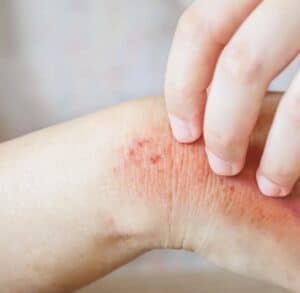 .
This is generally known as “Contact Dermatitis”. The word Dermatitis is very often perceived by many that it is some form of poor hygiene, but this is totally untrue. Dermatitis just describes a form of skin condition which can exist on the most cared-for skin.
Most people’s complaint falls into this category and victims very often identify the culprit without resorting to medical intervention and lengthy testing.
In this blog we only concern ourselves with skin allergies and intolerances and discount the huge and complex areas of food and ingested substances.
Why Some Soaps Cause Skin Irritation: The Hidden Culprit
So what are the most common culprits that cause these problems to arise when using soaps and cleansers? There is one that sticks out a mile, and it is NOT present in natural handmade artisan soaps.
SLS & SLES: The Harsh Ingredients Hiding in Your Soap
A surfactant called SLS (Sodium Lauryl Sulphate) or SLES (Sodium Laureth Sulphate) and its kindred compounds is a major offender. It is not a naturally occurring substance and is cheap to produce.
The word surfactant is short for Surface Active Agent—it works by surface acting on oil and fat compounds, enabling them to bind to water by reducing the surface tension of the water. In other words, it “makes the water wetter”, something that would not normally happen.
Common Products That Contain SLS & SLES
SLS and SLES can be found in a staggering range of everyday products, including:
- Toothpaste
- Shampoos
- Beauty preparations
- Industrial cleaners
- Even some food items (although they are mostly outlawed in edible products in the USA and Europe)
Previously, items like marshmallows contained these compounds.
A major property of SLS and SLES is their ability to “foam up” and create a fluffy texture. This is one of the primary reasons they are found in soaps, shampoos, and other products. However, there is one very major problem—SLS and SLES are known skin irritants that can easily cross the skin’s natural defenses.
How SLS & SLES Affect Sensitive Skin
For most people, the relatively short time SLS and SLES are on the skin poses little issue. However, those with greater skin sensitivity can quickly develop contact dermatitis, leading to:
- Itching
- Swelling
- Redness
- Roughness
- Eczema
This is when people say, “I can’t tolerate soap” or “I’m allergic to soap.”
Additionally, some people may have an individual intolerance or an allergy to essential oils. It’s crucial to remember that essential oils must be diluted in a carrier before applying to the skin and should NEVER be ingested. For example, pure cinnamon oil burns like battery acid and can leave a scar.
For those with psoriasis or rosacea, SLS and SLES are a massive NO! NO! You must read the ingredients list before using any product.
Luxury Soap Brands Aren’t Always Skin-Friendly
Despite these concerns, surfactants—of which there are four main categories—are essential in manufacturing. Many thousands of products, including some foods, rely on them. Even some high-end soaps and cleansers contain SLS or SLES. Take Dove products, for example. While they are some of the best on the market, some of them do contain SLS.
Additionally, Dove soap contains animal tallow, meaning it is not vegan!
Our Advice – Read the Labels
By law, product labels must list ingredients. However, natural oils are often listed by their Latin INCI names, while other chemical compounds are usually referred to by their scientific names—many of which are long, complex, and difficult to pronounce.
Perhaps some of these are better left in the science lab!
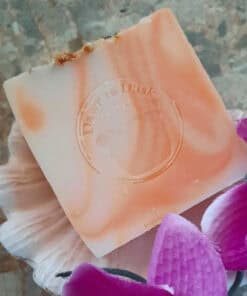
Our Handmade Artisan Soaps Are 100% SLS-Free
So there we are; how brave are you feeling? Perhaps try one of our samples.
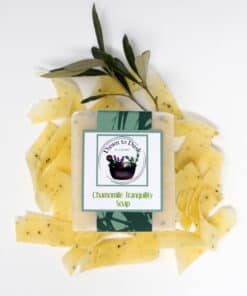
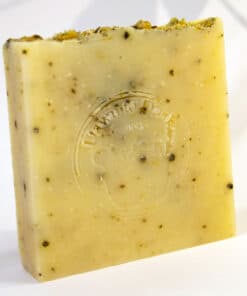
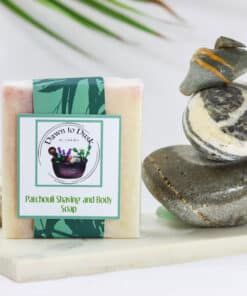
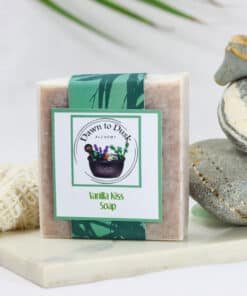
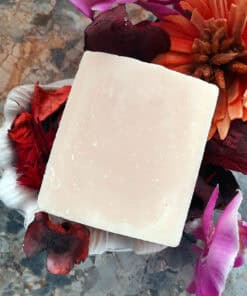
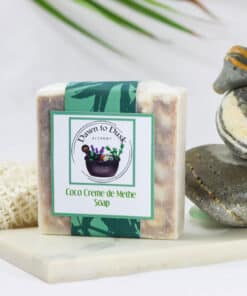
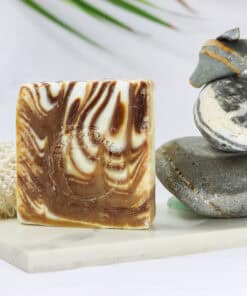
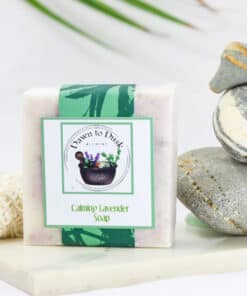
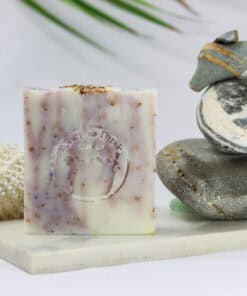
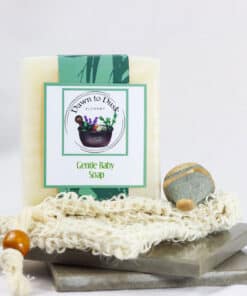
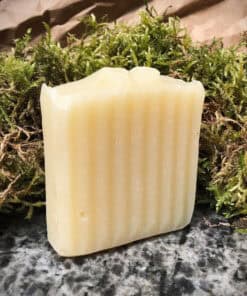
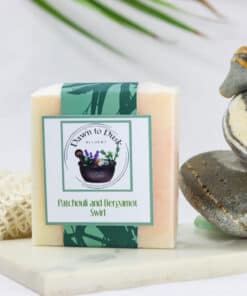
We can assure you that our artisan soaps are SLS-free and completely natural and free of harsh chemical nasties. Those who have tried our products have come back to us smiling! If in doubt, try our range of sensitive-skin soaps.
Soaps for Sensitive Skin
~ Dawn and the Team